
Big Data, CRM, and PIM: The Big Three of Digital Business
Big Data: The Power of Data
Big Data refers to incredibly large and complex data sets that are beyond the capabilities of traditional processing tools. These data come from various sources, ranging from structured data, such as databases and transactional records, to unstructured data, like emails, images, videos, and social media, as well as semi-structured data like JSON and XML files.
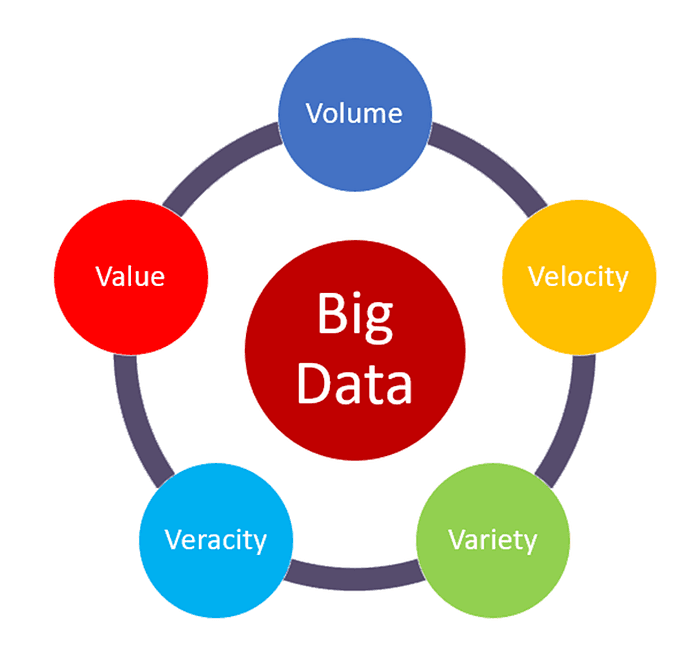
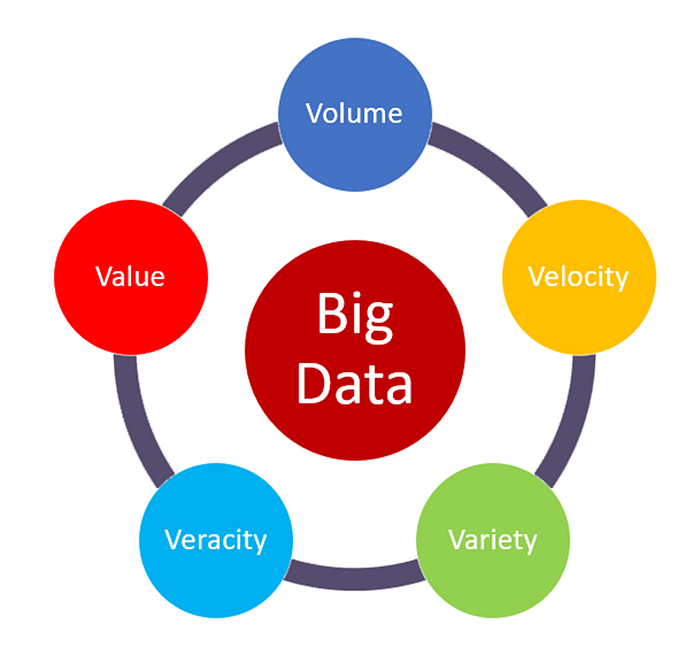
Big Data is commonly described through five “key V’s”:
- Velocity – the speed at which the data is created and how fast it moves
- Volume – the amount of data that qualifies as Big Data
- Value – the value that data provides
- Variety – the diversity that exists in the types of data
- Veracity – the quality and accuracy of the data
For efficient storage, processing, and analysis of data, Big Data utilizes advanced technologies such as:
- Distributed databases (e.g., Hadoop, Apache Spark)
- Cloud computing for scalability and flexibility
- Machine learning and artificial intelligence for analysis and predictions
- ETL processes (Extract, Transform, Load) for integrating data from various sources
Big Data enables organizations to make smarter decisions, enhance customer experiences, and improve business processes, making them more agile and competitive.
Big Data and PIM: Managing Product Data
Big Data plays a crucial role in Product Information Management (PIM) systems. PIM allows centralized management of product information, which is vital for e-commerce and omnichannel sales.
How Big Data impacts PIM?
- Automated Product Categorization – AI analyzes big data to suggest improved product structures.
- Demand Analysis – By combining Big Data and PIM systems, it's possible to predict which products will become popular.
- Data Consistency – Big Data helps identify discrepancies in data and improves its accuracy.
- Enhanced Product Search – Advanced analysis of user behavior aids in optimizing product searches and filters.
Integrating Big Data into PIM allows for more precise, faster, and efficient management of product data, resulting in a better user experience and increased sales.
Big Data and CRM: Revolutionizing Customer Data Management
Customer Relationship Management (CRM) systems leverage Big Data to better understand and manage customer relationships. The combination of Big Data and CRM systems enables personalized customer experiences, sales strategy optimization, and enhanced customer loyalty.
How Big Data impacts CRM?
- Predictive Analytics – CRM uses Big Data to analyze customer behavior and predict future needs.
- Personalized Offers – Based on collected data, the system can send customized offers to customers.
- Customer Support Automation – Integration of AI chatbots and analytics enables faster and more efficient customer support.
- Marketing Campaign Optimization – Data analysis allows targeting the right customers with the right message at the right time.
- Increasing Customer Loyalty – CRM systems use Big Data to create loyalty programs based on individual customer preferences.
Integrating Big Data into CRM allows companies to better understand their customers, tailor offerings to their needs, and drive sales through personalized strategies.
In a world where data drives business decisions, the integration of Big Data, CRM, and PIM is crucial for success in e-commerce. While Big Data provides vast amounts of valuable information, CRM uses it to enhance customer relationships, and PIM ensures precise management of product data. The combination of these three systems enables companies not only to understand their customers and offerings but also to predict their needs and optimize every aspect of their operations. Those who manage to fully harness the potential of data become leaders in the digital revolution.