
Basic principles of web accessibility
Why Accessibility Matters: Making the Web for Everyone
In this day and age of digitalization and the internet, imagine trying to use a website, but the text is too small, you can't navigate with the keyboard/mouse, the colors are low contrast. Even for ordinary users, this is an obstacle, and for many of them, this makes the internet completely useless.
There is a solution to these obstacles: web accessibility. With accessibility, we ensure that our products are accessible to a wider range of users, including users with disabilities.
Although we constantly focus on people with disabilities, we are not even aware of how much web accessibility makes everyday life easier for users without visual and audio impairments.
What do we mean by accessibility?
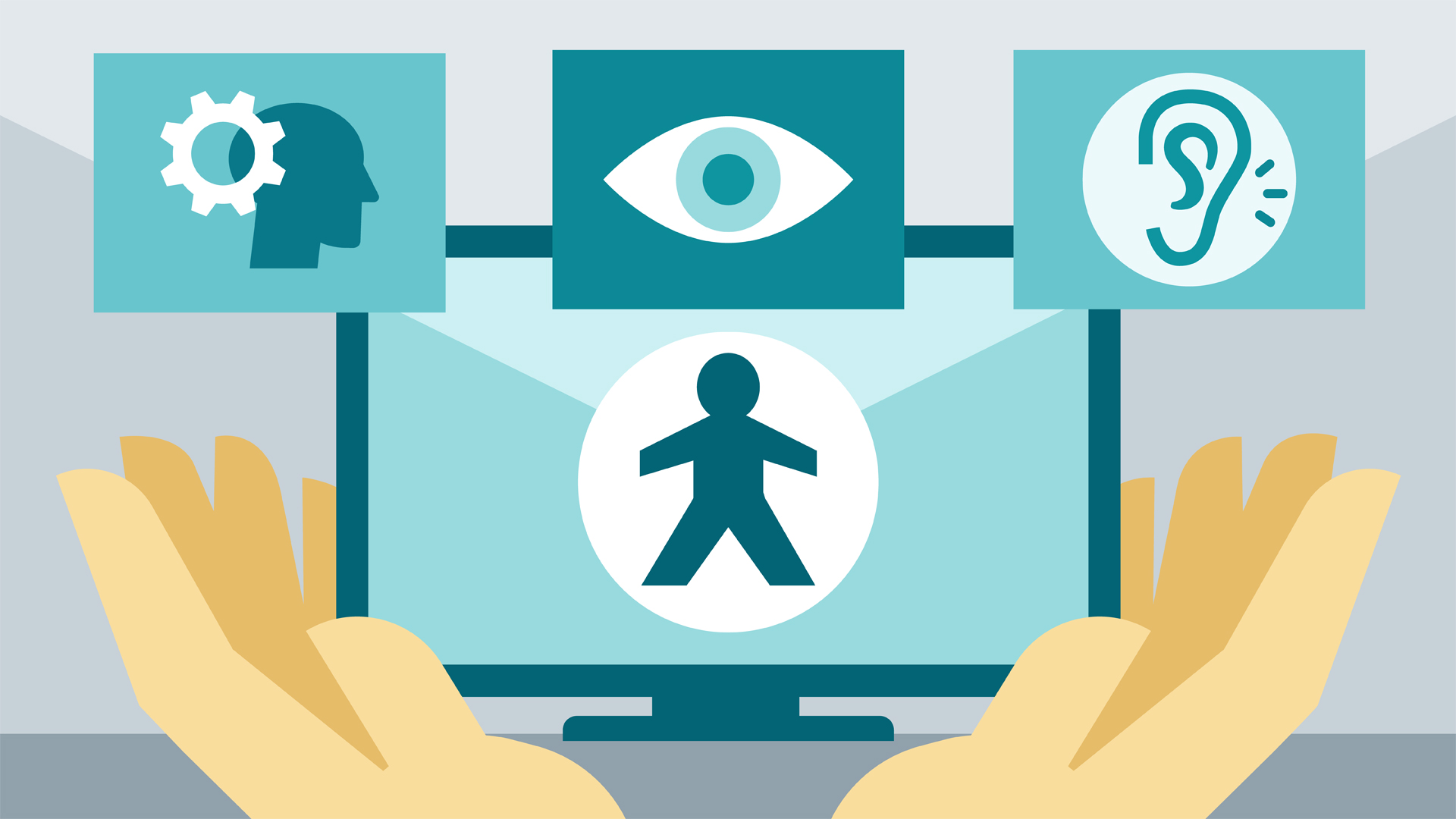
If we want to simplify the explanation, it would be: making the Internet useful for everyone.
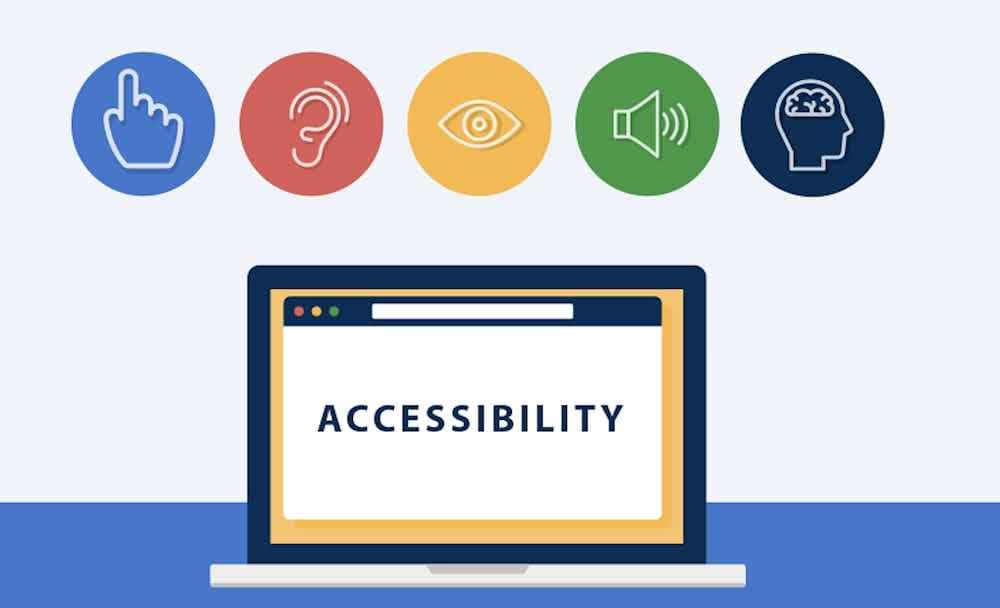
Web accessibility involves adapting websites, tools and technologies so that they are accessible and useful to people with varying degrees of impairment. By this we mean visual, motor, audio, speech or cognitive differences.
Examples of web accessibility that we use almost in everyday life:
- Captions on videos -> helps people with audio impairments, but are also useful if you are in noisy spaces, where there is no possibility of hearing that audio.
- Keyboard navigation -> it is crucial that the website is accessible in this way for users who are unable to use a mouse, but this is also a great privilege for people who are used to using keyboard shortcuts in their everyday lives.
- Readable Text and High Contrast -> This item is very important for people with visual impairments, but the question arises what happens when a user without visual impairments opens this website and tries to read something in bright sunlight?
How do we currently implement web accessibility in Scode?
- Proper headings (H1,H2,H3) -> it is very important that there is a structure to the text, it is easier for screen readers to scan the content for reading, and ultimately with proper headings the content will be read in chronological order.
- Images -> Use of alternative texts for images. A user with a visual impairment who is unable to see the image can get a sense of what is actually there through a screen reader even though they cannot see it well/at all.
- Color contrast -> light colors on a white background make the content very difficult to read, so our designers work tirelessly on the sustainability of this principle
- Keyboard navigation -> use and navigate the website using the keyboard
- Custom audio player -> read selected content, without using Windows Narrator
Why is it important to implement accessibility principles?
Businesses and websites can face serious criminal charges if they (unintentionally) exclude people with certain disabilities from using their services.
Web accessibility improves SEO! Search engines favor accessible websites, because they have a better structure!
Web accessibility improves your appearance and expands your audience for the simple reason that more people can enjoy and use the services your businesses and websites offer!
Ultimately, it's the right and moral thing to do, make the internet accessible for everyone.
Conclusion
Although we are relatively new to the field of web accessibility, we can say that we have successfully mastered the basic principles, and that we solve problems efficiently and quickly. We have a long way to go in this field, because according to research, 75% of shopping sites on the Internet are not accessible.
The Internet is a place for commerce, communication and information, so we need to be aware that everyone must be included equally, just like in real life.